Sigma Built the Lenses. The Mounts Were the Negotiation.
Sigma's Art-series primes and the third-party mount licensing landscape — Z, RF, L, and E mounts — and what Sigma can and cannot build for each system.
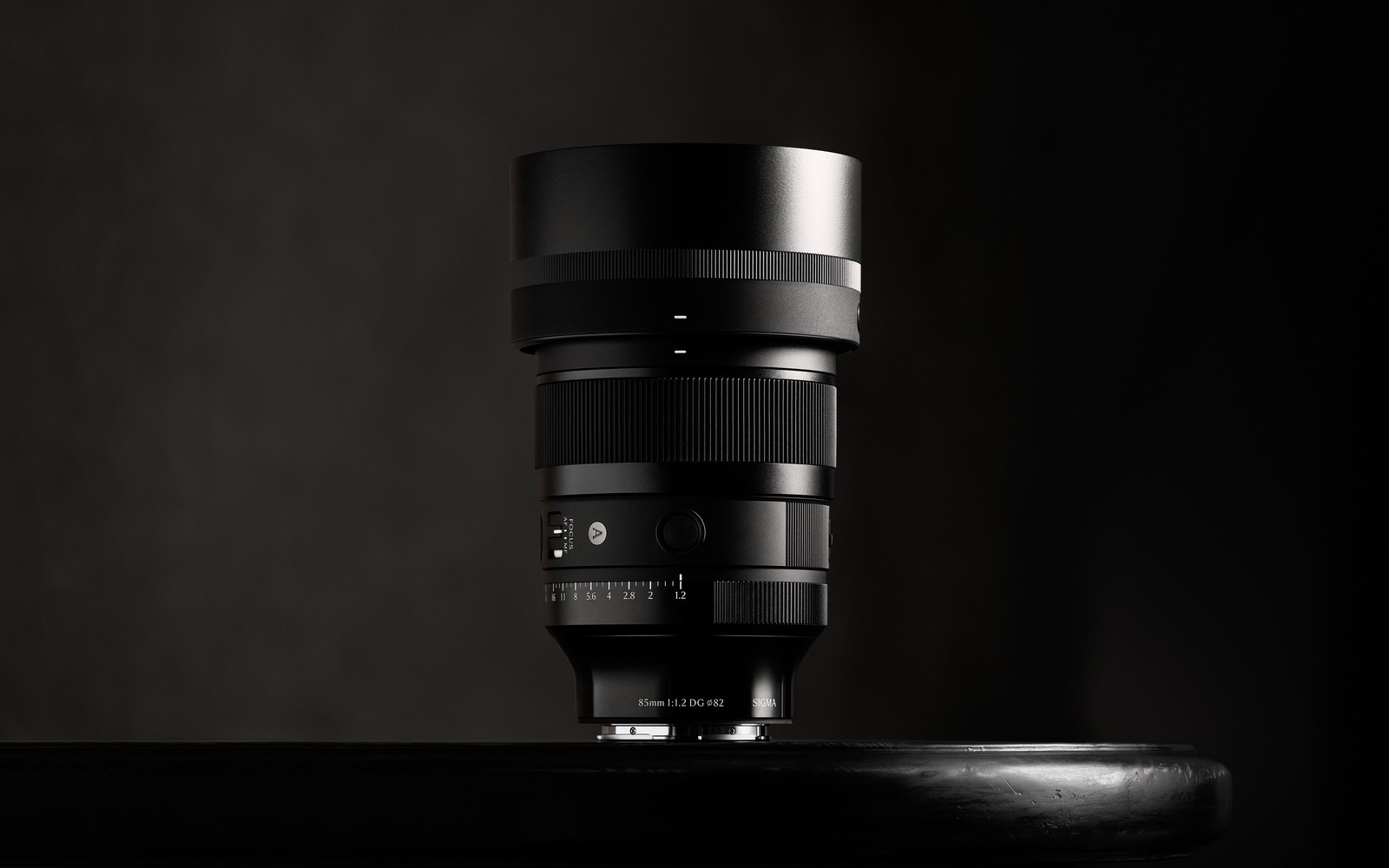
Sigma makes some of the most capable optics in the market. Whether it can sell them for your camera depends on agreements it may or may not have been invited to sign.
Kazuto Yamaki, Sigma Corporation's chief executive, has been more publicly candid about the third-party lens business than almost any other manufacturer executive. He has spoken at length — in interviews and in public addresses at events like CP+ — about what it means to build lenses for mounts that another company controls. The core tension he keeps returning to is straightforward: Sigma can engineer an optically outstanding lens for virtually any mirrorless system, but getting it onto the mount without reverse-engineering or legal exposure requires the mount owner's cooperation. In 2024 and into 2025, that cooperation varies dramatically depending on which logo is on the camera body.
The L-Mount Position Is Different in Kind, Not Just Degree
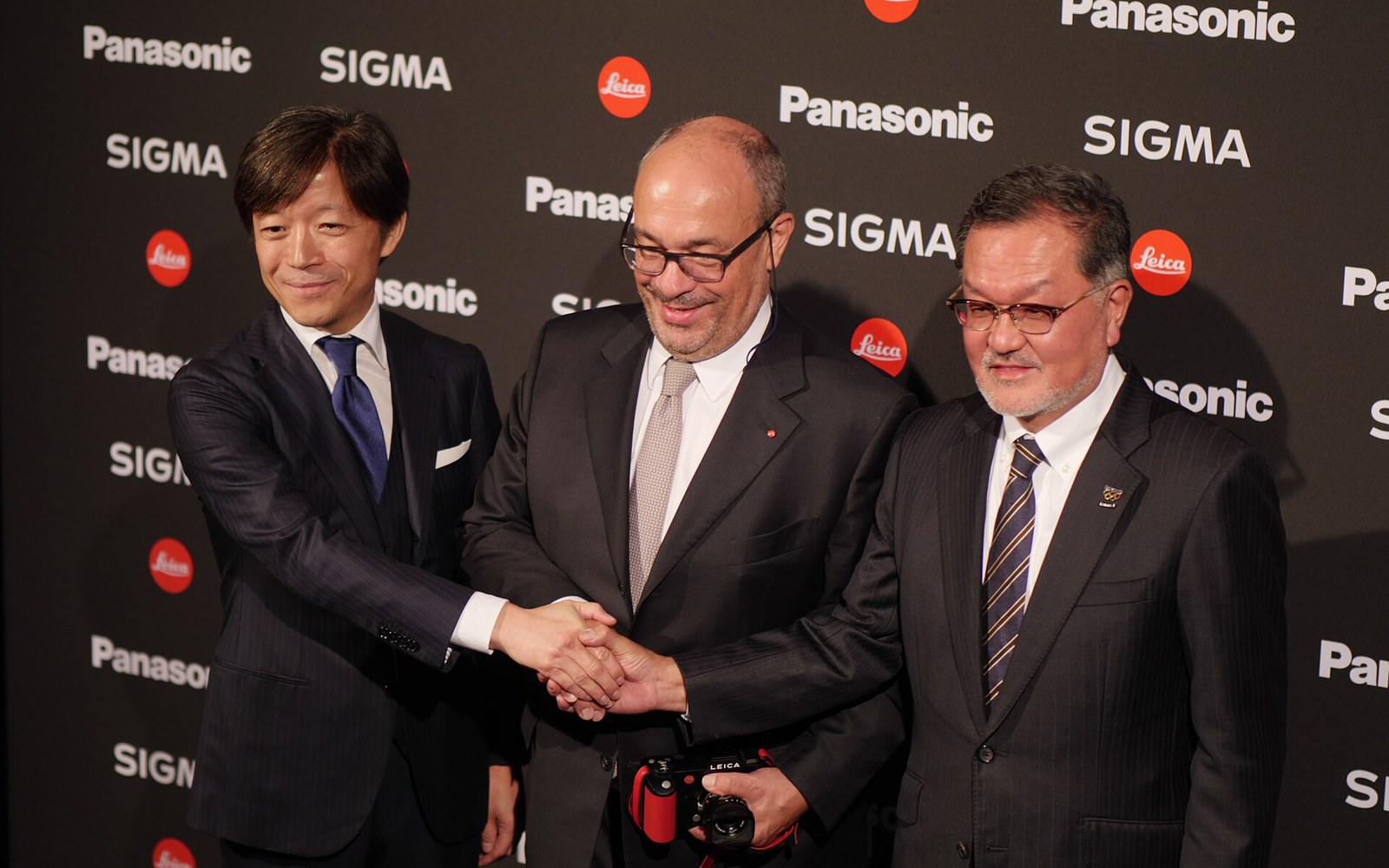
Sigma is not merely a licensee of the L-mount. Alongside Panasonic and Leica Camera, Sigma was a founding partner of the L-Mount Alliance, signed in 2018 at Photokina. That agreement standardised a 51.6 mm diameter mount with a 20 mm flange distance, published the specification to all three parties, and opened licensing to third-party manufacturers. The distinction matters: Sigma did not later apply to join the L-mount ecosystem; it helped design the terms of entry. That gives Sigma's L-mount glass a different engineering foundation than anything it builds for Sony E, Nikon Z, or Canon RF. The specifications were available from the drawing stage rather than reconstructed afterward.
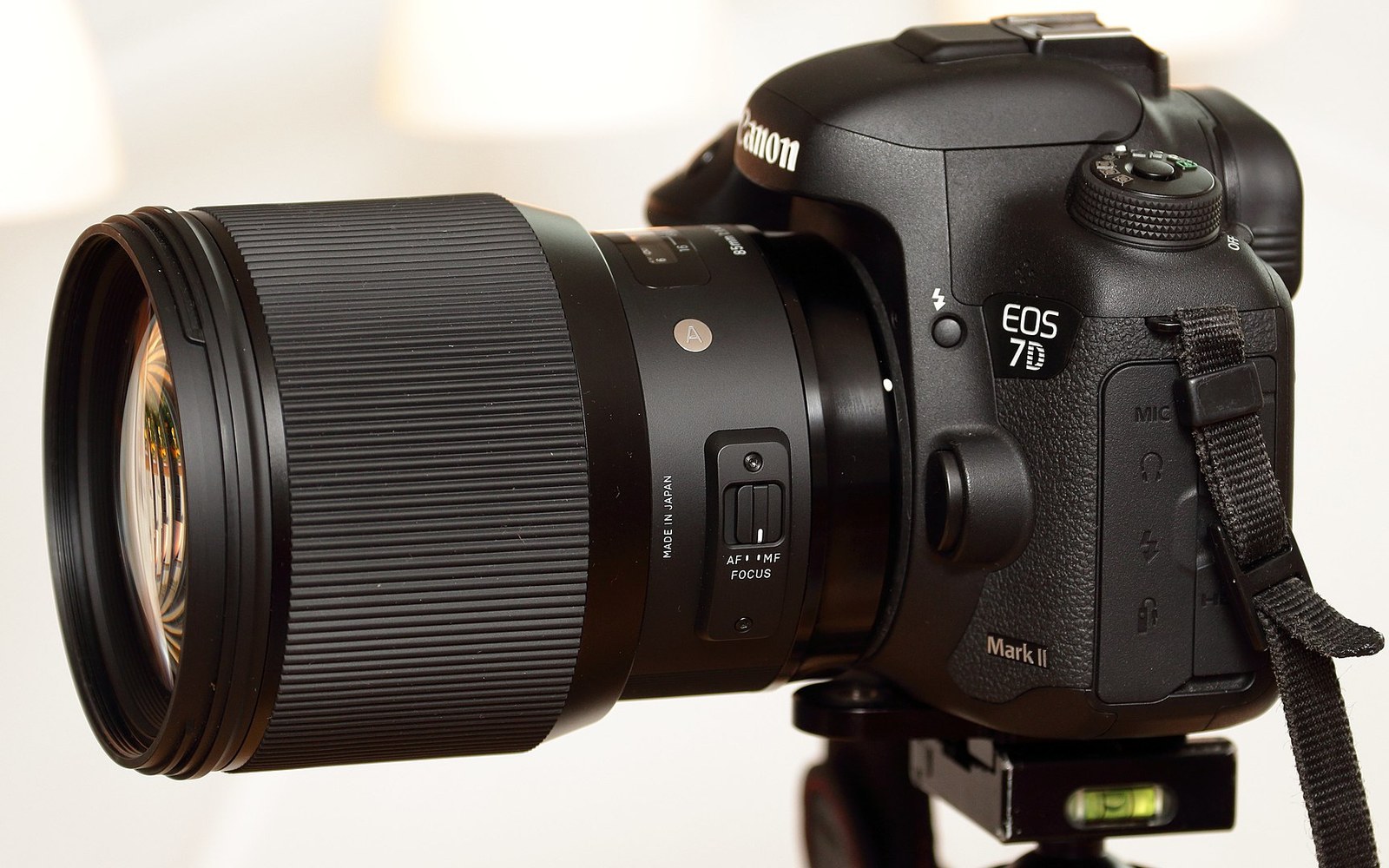
The practical consequence shows in Sigma's L-mount catalog, which is the most extensive Art-series lineup it makes for any single system. The 14mm f/1.8, 20mm f/1.4, 24mm f/1.4, 35mm f/1.4, 50mm f/1.4, 85mm f/1.4, 105mm f/1.4, and 135mm f/1.8 — the full Art-series prime run — are available in L-mount. Sigma's Contemporary and Sports zooms follow similarly. For a photographer building around a Panasonic S5 II or a Leica SL3, the depth of compatible third-party glass is broader than in any other mirrorless system outside of Sony E.
Sony E: Long Cooperation Without a Formal Alliance
Sony's E-mount has the largest mirrorless lens ecosystem by volume, and the longest history of third-party compatibility. Sony has not published a formal open-licensing scheme comparable to the L-mount alliance, but it has extended cooperation to Sigma and other manufacturers through agreements that allow access to sufficient mount data for autofocus communication. The exact terms are not public, but the working relationship is evident in the product lineup: Sigma makes its Contemporary, Art, and I-series lenses available in Sony E-mount, and autofocus performance on current Sony bodies — the a7R V, a7 IV, a1 — is generally reliable, if not always identical to first-party glass in edge-case tracking scenarios.
The relationship has limits. Sony's phase-detect autofocus architecture on stacked-sensor bodies like the a9 III is more tightly coupled to Sony's own lens communication protocol than earlier contrast-detect or hybrid systems. Third-party lenses, Sigma's included, do not always have access to the full AF data pipeline on those bodies, and burst-mode subject tracking at very high frame rates can degrade compared to Sony G Master glass. That is not a defect in Sigma's engineering; it is a consequence of how much of the AF system's performance depends on firmware-level handshaking that Sony controls.
Nikon Z: Controlled Access, Gradually Widening
Nikon's position on Z-mount third-party licensing has been the most closely watched, partly because Nikon has been explicit that the Z mount was designed with enough internal diameter — 55 mm, with a 16 mm flange distance — to support future optical designs, and it initially kept that specification close. Sigma did not offer Z-mount lenses at the system's 2018 launch, and for several years the Z ecosystem's third-party glass was largely limited to adapted F-mount lenses via Nikon's own FTZ adapter.
That changed, though not through a formal open-licensing program. By 2024, Sigma had announced Z-mount versions of several Contemporary series lenses, with autofocus functionality enabled. Tamron has followed a similar path. The mechanism is not entirely transparent — Nikon has not announced a public third-party licensing program — but the presence of working autofocus glass from Sigma and Tamron suggests private licensing arrangements or, at minimum, cooperative access to sufficient mount data. Photographers using a Nikon Z8 or Z9 now have meaningful third-party options where they had almost none in 2020. The Art-series heavy primes, the focal lengths that made Sigma's reputation, are not yet uniformly available in Z-mount, and the pace of Z-mount additions from Sigma trails the E and L catalogs by a visible margin.
Canon RF: The Closed Door
Canon's RF mount is the outlier. Since the system's 2018 launch, Canon has maintained a policy of not licensing RF mount specifications to third-party lens manufacturers in the conventional sense. The company has stated publicly that it views the RF mount's communication protocol as a competitive differentiator and has protected it accordingly. For several years this held completely: no Sigma, no Tamron, no Tokina made autofocus lenses for RF. Third-party options meant adapted glass with manual focus, or Canon's own RF catalog.
In 2023 and 2024, that position began to shift under pressure from both the market and, reportedly, regulatory scrutiny in Japan around mount-licensing practices. Canon announced licensing agreements with certain manufacturers, and Tamron confirmed RF-mount autofocus lens development. Sigma, as of early 2025, had not announced RF-mount autofocus lenses from its Art series. The canon-rf-mount-closure situation is not fully resolved, and Canon remains far more restrictive than Sony or Nikon. A photographer committed to Canon RF still has the narrowest access to third-party fast primes of any major mirrorless system.
What Sigma's Art Series Actually Represents
It is worth stepping back to note what is at stake optically. Sigma's Art-series primes — designed at Sigma's facility in Aizu, Japan, and manufactured there — have been independently measured as optically competitive with, and in several focal lengths superior to, first-party glass from the major manufacturers at their respective apertures. The 50mm f/1.4 Art, the 85mm f/1.4 Art, and the 105mm f/1.4 Art have scored among the highest optical performance measurements in their categories in DxO's lens database, which tests mounted lenses on specific bodies using a controlled optical bench. These are not budget alternatives to Canon L or Nikon S-line glass; they are direct competitors on optical merit, often at substantially lower prices.
That makes the mount-access question consequential rather than merely commercial. When Canon keeps RF effectively closed to Sigma, photographers choosing an R5 Mark II or R1 over a Sony a1 or Nikon Z9 are also implicitly accepting a narrower field of fast-prime options, at least from the manufacturer with the deepest Art-series catalog. The licensing map is, in practice, part of the system comparison.
Yamaki has said on the record that Sigma's preference is to work within licensed relationships rather than through reverse engineering, both for legal certainty and for the deeper autofocus integration that proper mount data enables. The Art series is ready. The mounts decide when, and for whom.
Key dimensions
| L-mount diameter | 51.6 mm; flange distance: 20 mm |
| Nikon Z-mount diameter | 55 mm; flange distance: 16 mm |
| Canon RF-mount diameter | 54 mm; flange distance: 20 mm |
| Sony E-mount diameter | 46 mm; flange distance: 18 mm |