Section 02
Software
Raw processing, file formats, and the software market that Adobe's subscription model reshaped.

Start here · The subscription
Adobe Went Subscription in 2013 and Made the Case for Everyone Else
The Creative Cloud transition and what it did to the photography-software market over the decade that followed — the exit of perpetual Lightroom, the growth of Capture One, and the rise of DxO and darktable as alternatives. Uses Adobe's own published pricing history and the Photography Plan as reference.
Raw editors
five pieces-

Capture One Grew Into the Space Adobe Left
Capture One's development from a Phase One tethering tool into a general-purpose raw processor, examined against Lightroom's subscription model and feature trajectory.
Raw editors -

DxO Builds Its Case on Measured Optics Data
DxO PhotoLab and PureRAW as products built on DxO's lens-and-sensor measurement database — what that means for noise reduction and optical correction, and how PureRAW fits into a Lightroom or Capture One workflow.
Raw editors -
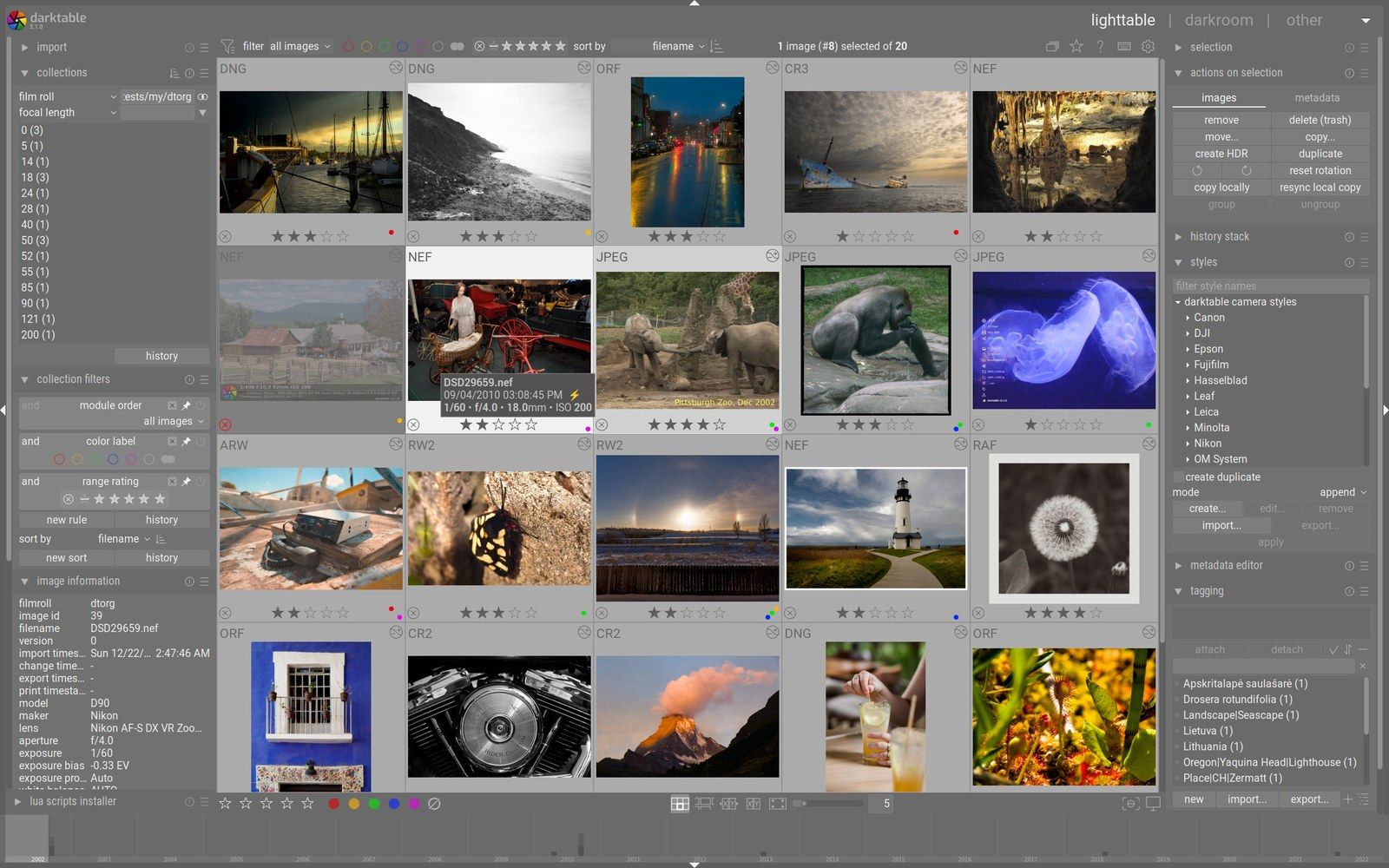
darktable and RawTherapee Are the Open-Source Line
darktable and RawTherapee as genuinely capable free alternatives to commercial raw processors — what each does, how they differ in their processing pipelines, and why the 2013 Adobe subscription move accelerated both projects.
Raw editors -
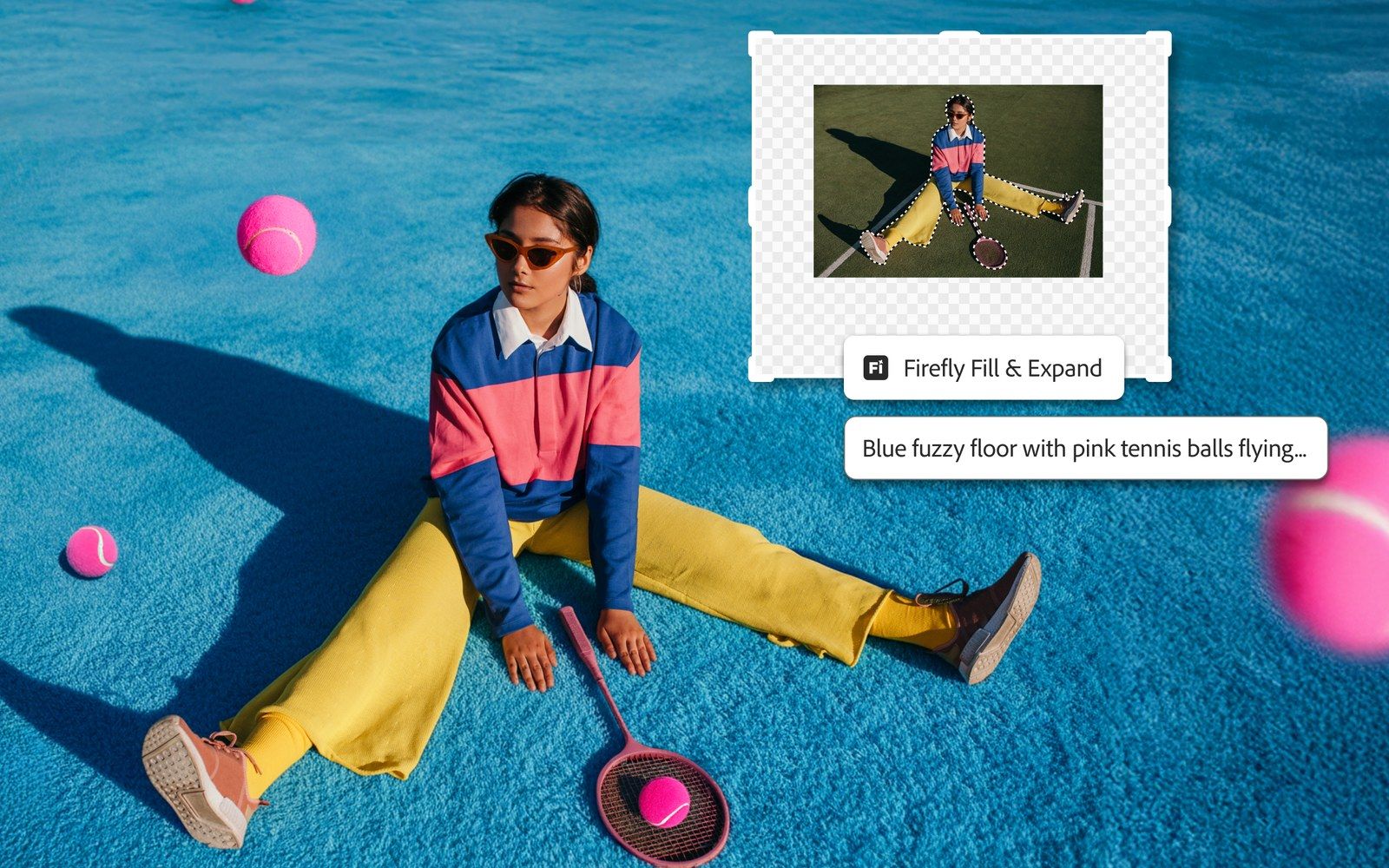
Photoshop's Generative Fill Is a Production Tool Now
Adobe's generative fill feature — what it does inside Photoshop, the model it runs on, and the commercial-use terms Adobe published for output generated through it.
Raw editors -
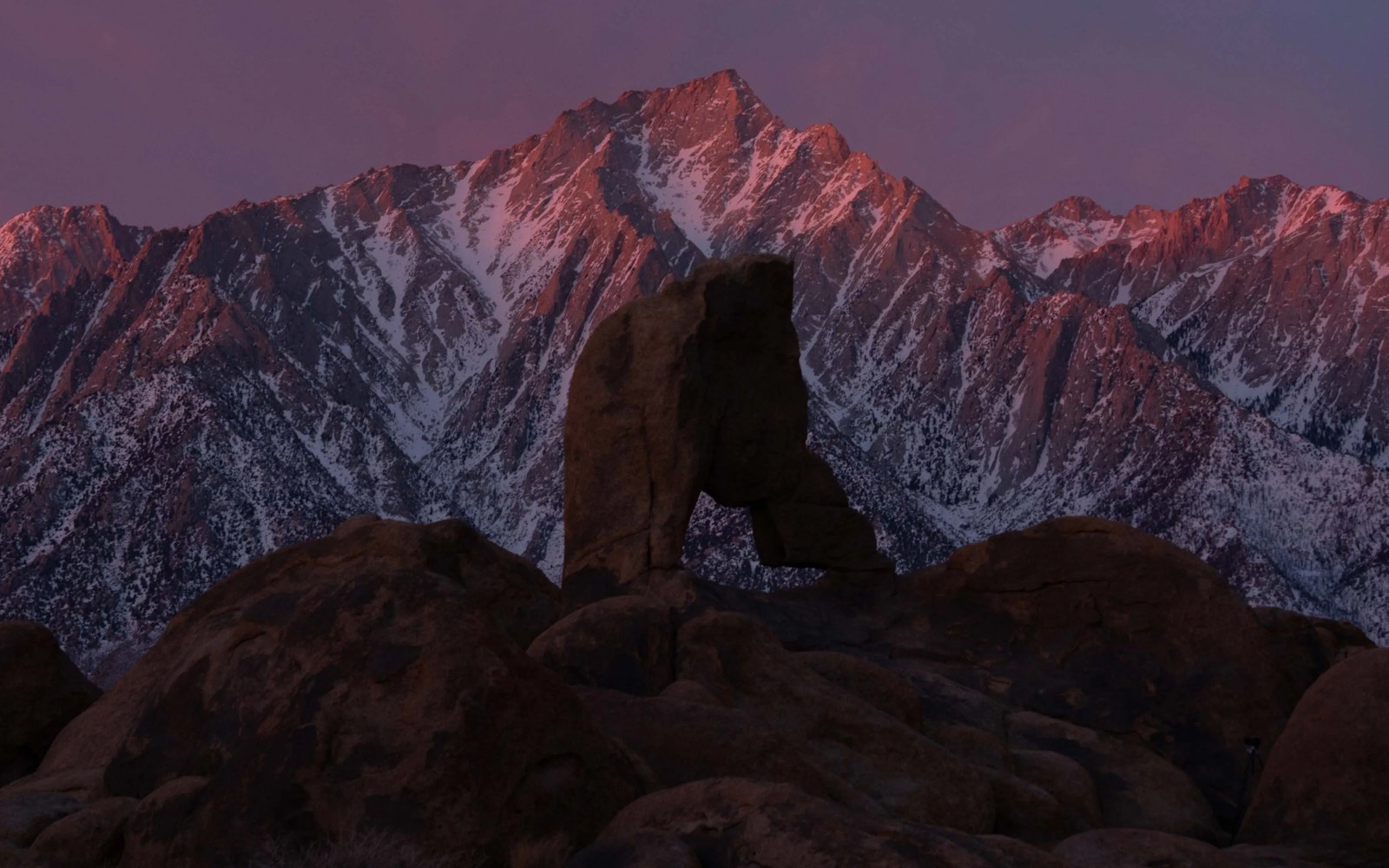
Topaz Runs Its Sharpening on a Neural Network Trained on Real Frames
Topaz Photo AI, DeNoise AI, and Sharpen AI as neural-network tools built into a standalone application or as Lightroom and Photoshop plug-ins — what Topaz publishes about its training data and processing approach, and where the tools sit in a post-production pipeline.
Raw editors