The archive was licensed. Nobody asked the people who made it.
Getty sued. Shutterstock signed. Then, in January 2025, they announced they were merging with each other.
Read the piece — Photographers Found Out from a Press Release
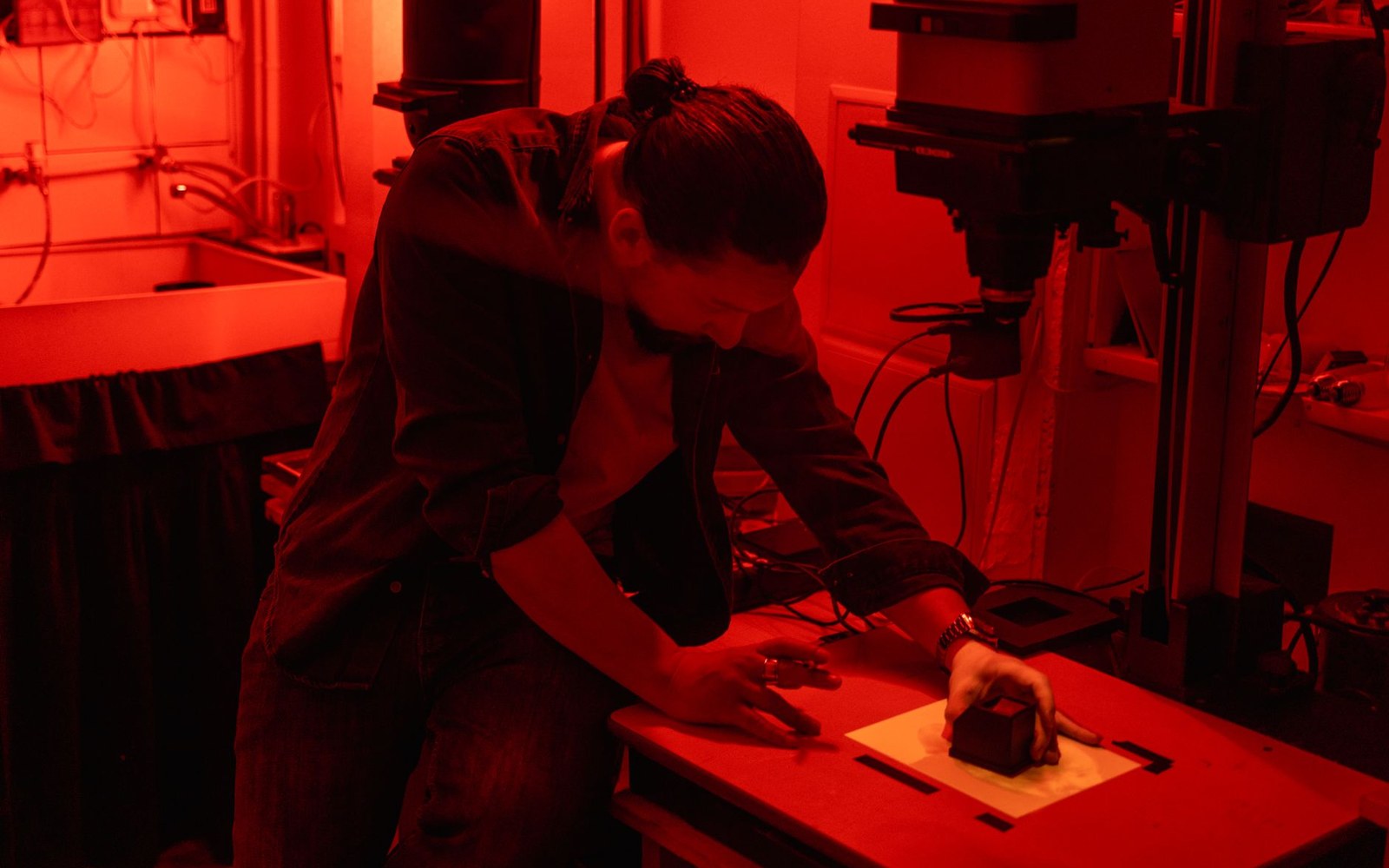
Shutterstock licensed the library to the model developers and put a share into a contributor fund. Getty sued Stability AI in two jurisdictions and then built a generator of its own on rights it already held. Both are defensible positions. Neither was a negotiation with the people in the files.
It is worth being precise about what actually changed, because the loud version of this story is wrong in both directions.

The Copyright Office never wavered. Zarya of the Dawn was registered for its text and its arrangement; the generated images were refused. A machine’s output is not authored, whatever prompt produced it. That is not a temporary position awaiting better technology.
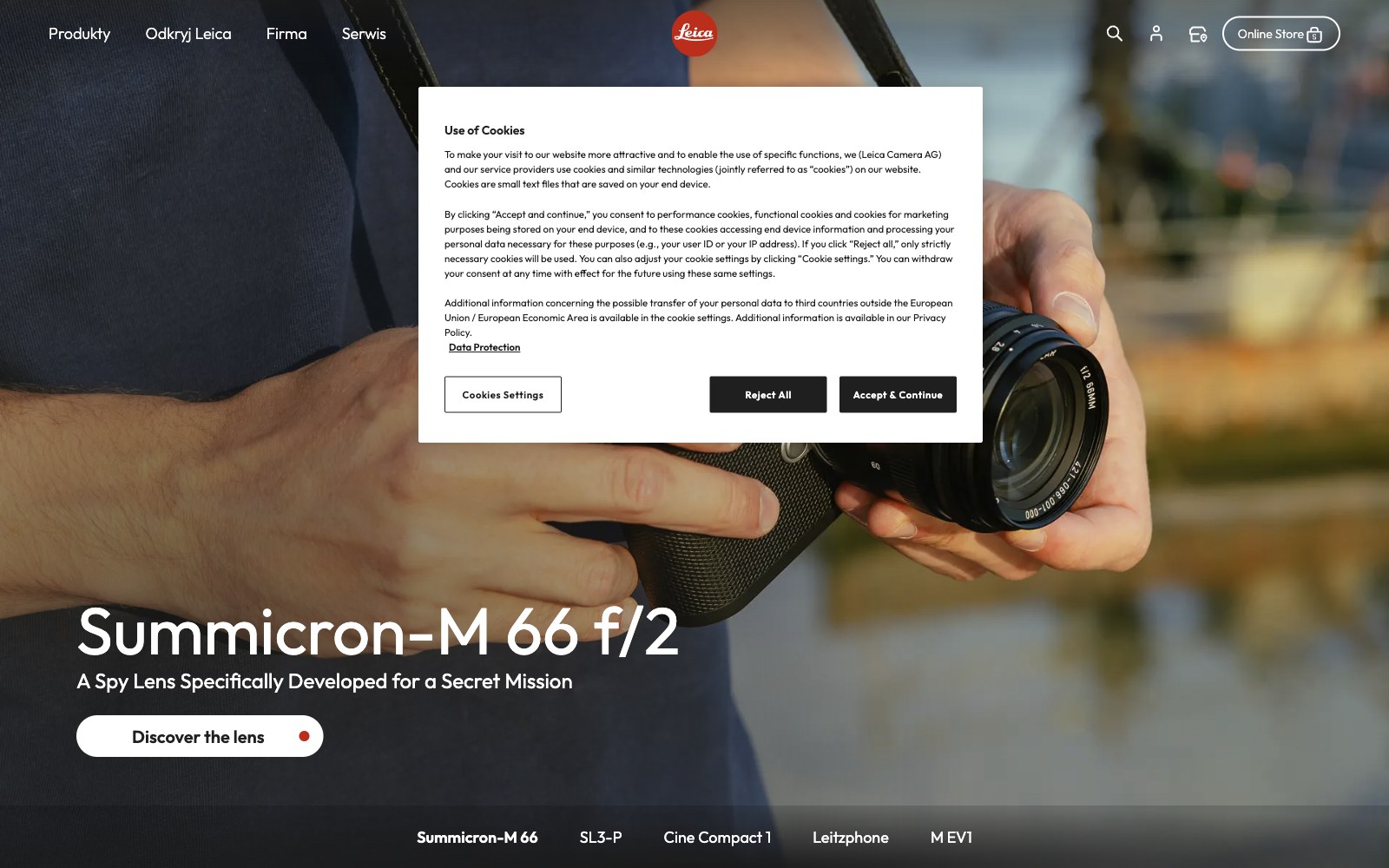
So provenance became the camera makers’ problem, and they took it. The body signs the frame; the signature travels with it. How the credential actually works.

Supported by
Makers and services our editorial keeps a viewfinder on.




Three things that are true, and checkable
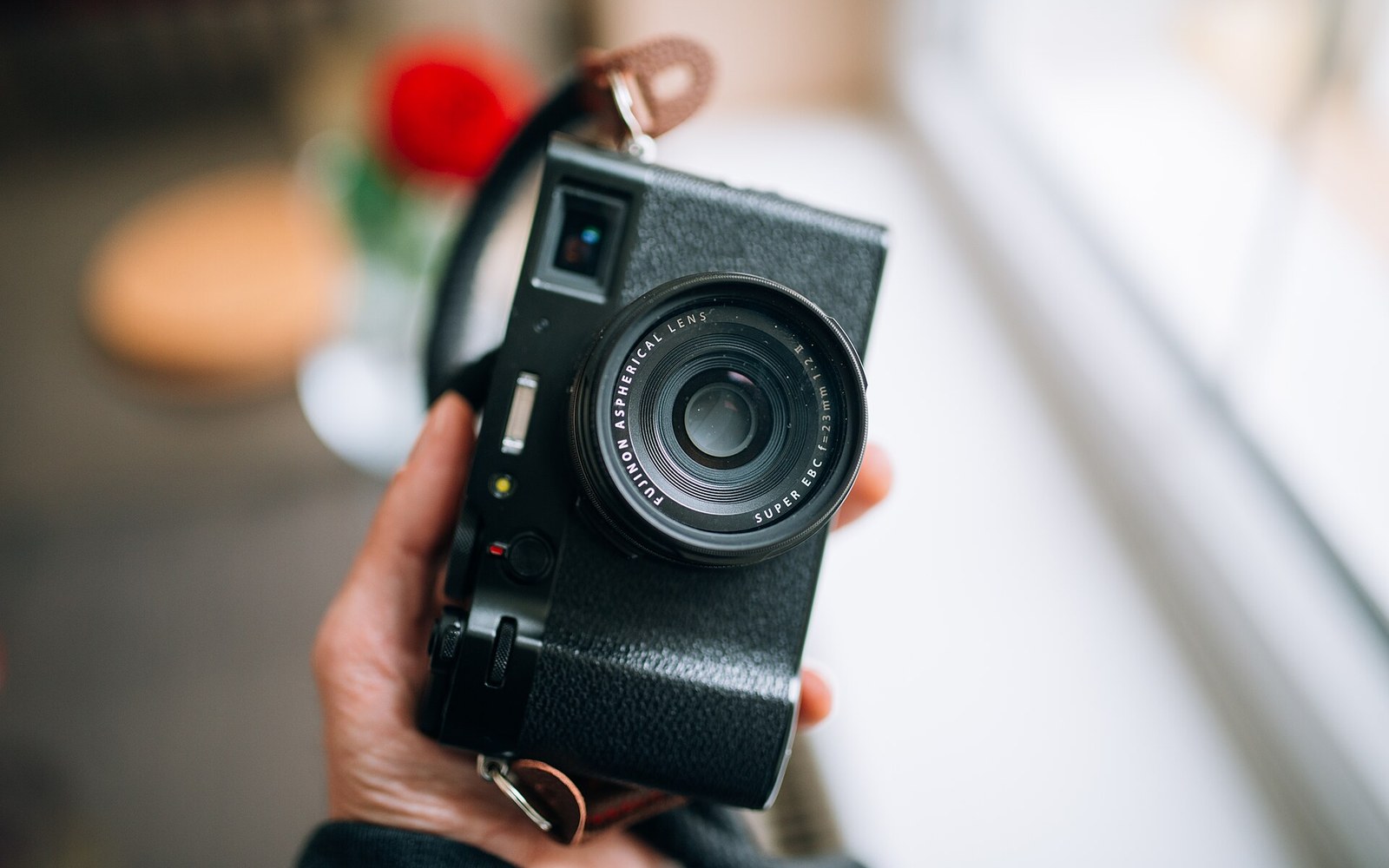
Fujifilm announced the X100VI in February 2024 and could not build them fast enough.
A fixed lens and no zoom, wanted precisely because it is not a phone.
Cameras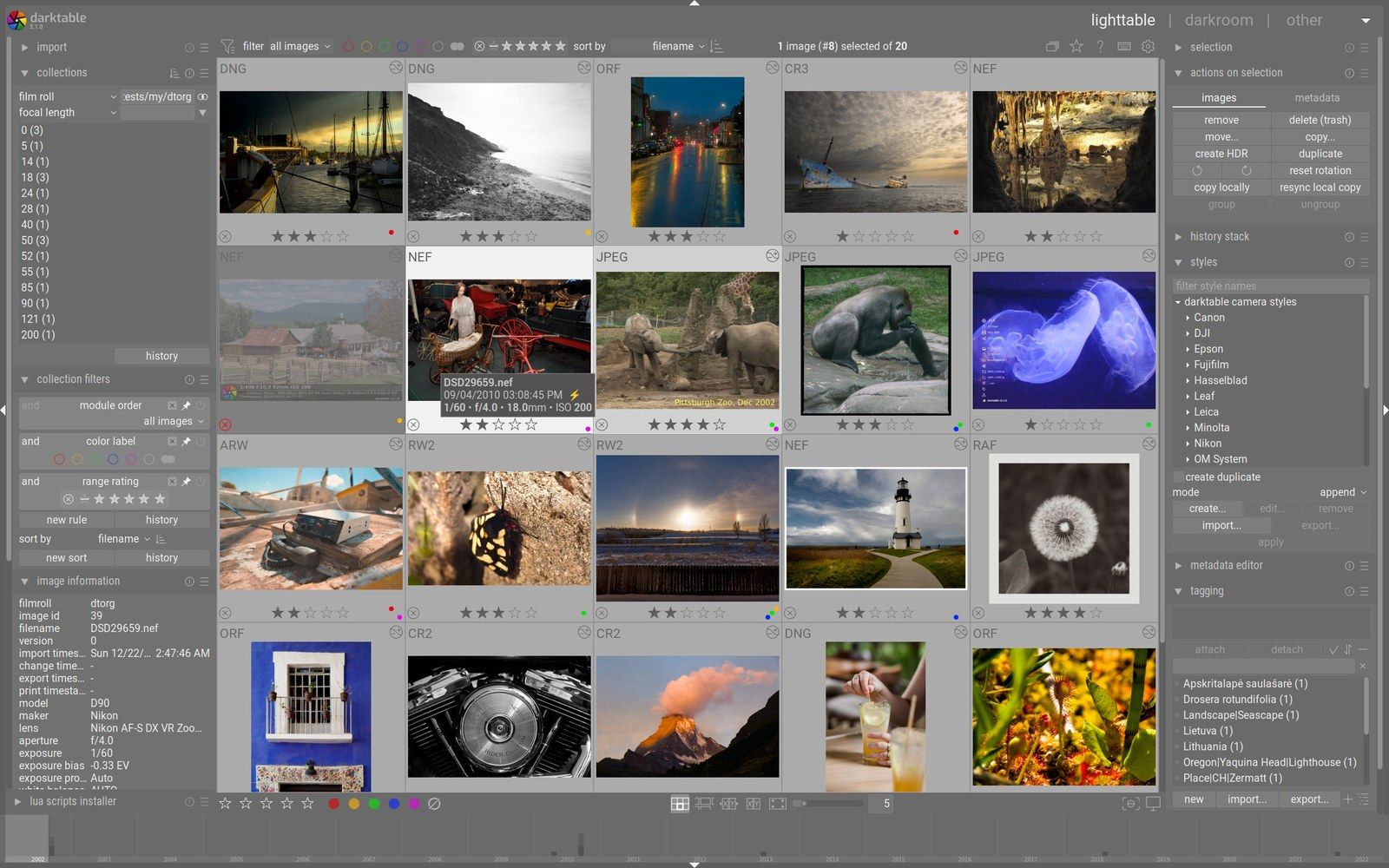
Adobe went subscription in 2013 and made the case for everyone else.
Capture One, DxO, darktable and RawTherapee all grew into the space it left.
Software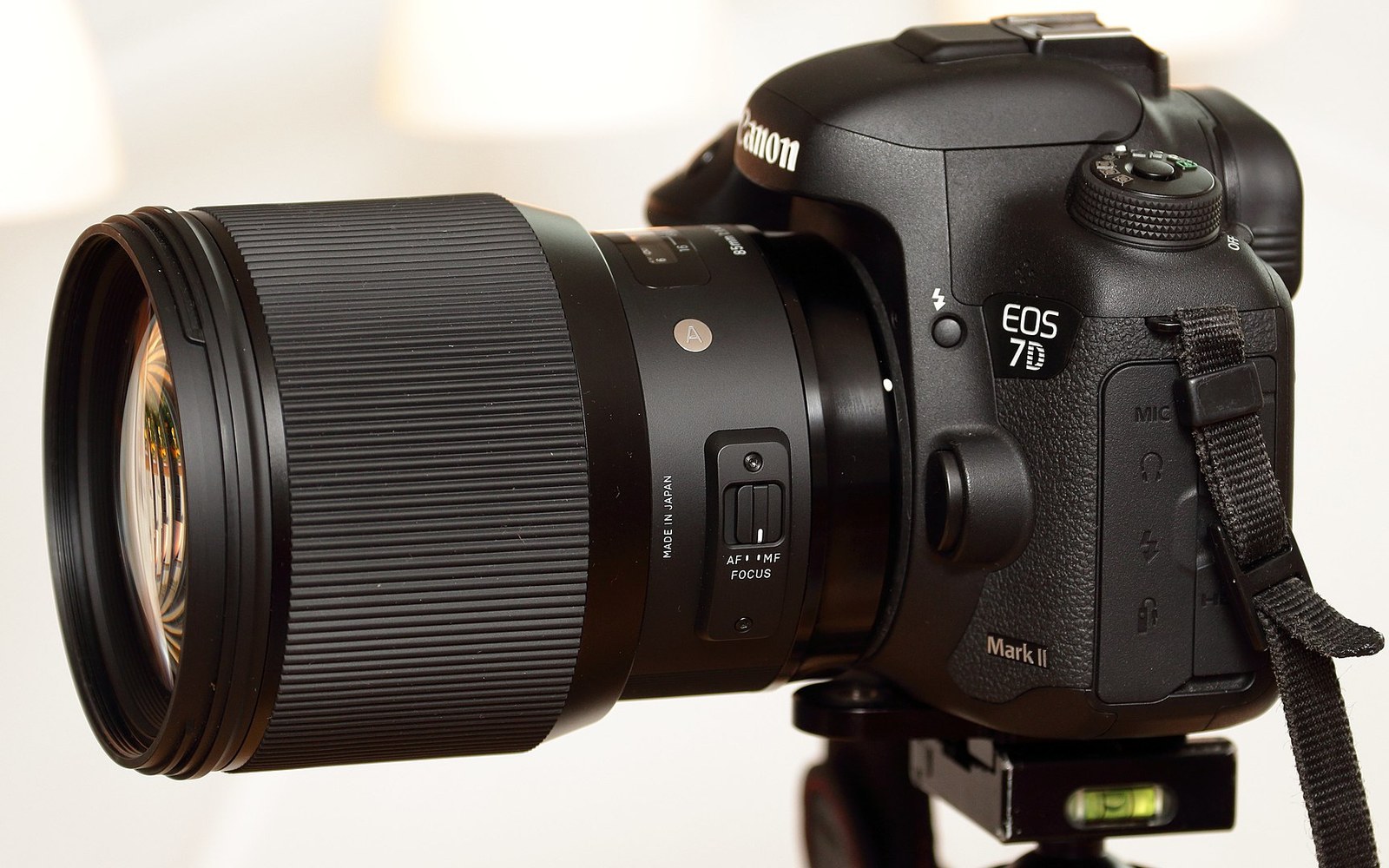
Nikon licensed the Z mount to third parties. Canon kept RF shut, then didn’t.
Sigma, Panasonic and Leica had already shared the L-mount since 2018.
CamerasA file is now a legal object as well as a picture. The camera makers worked that out before the agencies did.
There are three parts to this site: the bodies people are actually buying, the software the file passes through, and the paperwork that decides what it is worth.
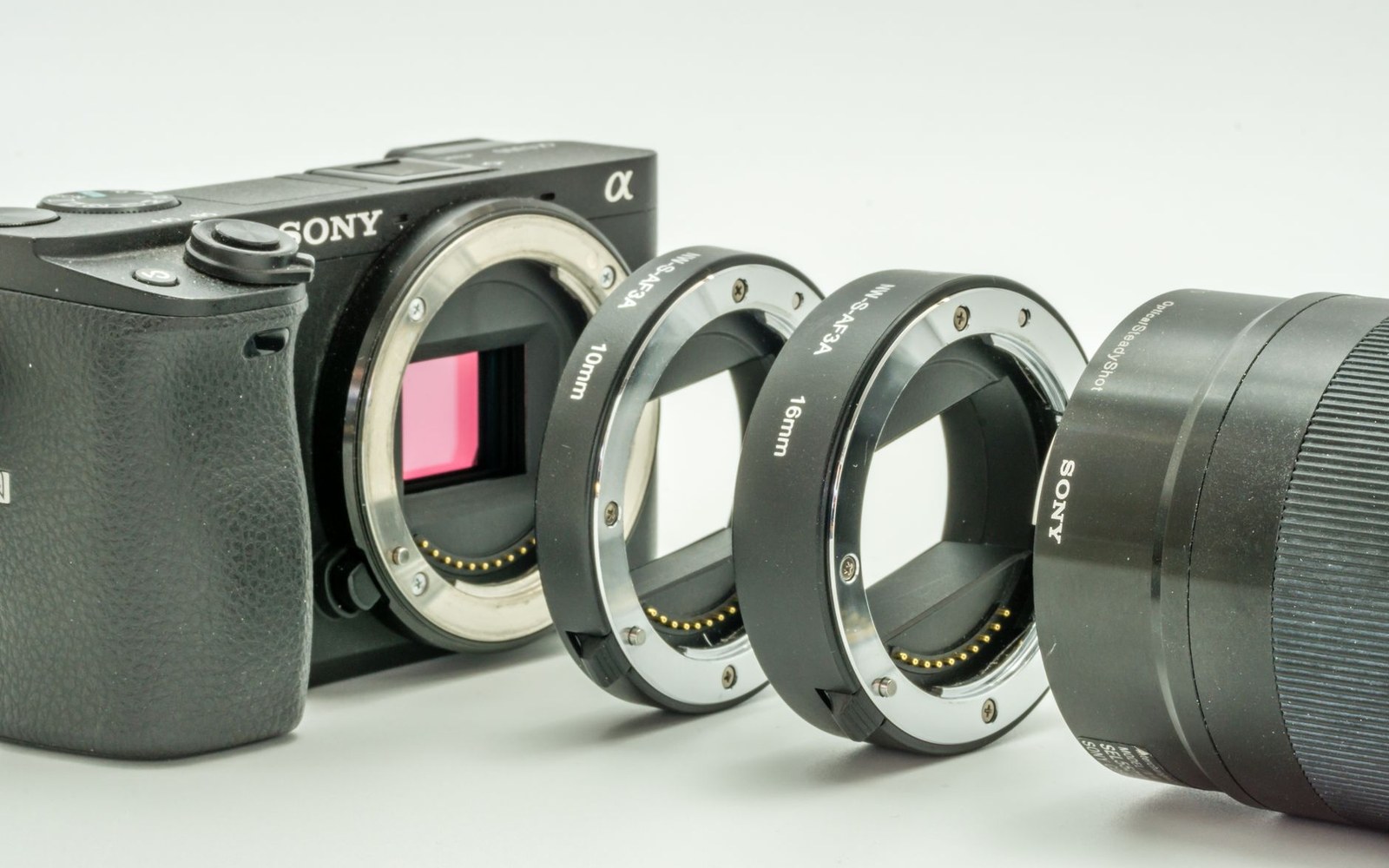
Cameras
The hardware as it stands — mirrorless bodies, fixed-lens compacts, film, and the lens market around them.
Twelve pieces →
Software
Raw processing, file formats, and the software market that Adobe's subscription model reshaped.
Seven pieces →
The Trade
Licensing, rights, content credentials, stock economics, and the paperwork that decides what a frame is worth.
Seven pieces →Also supporting




From the archive
All 26 pieces →Fujifilm Announced the X100VI and Could Not Build Them Fast EnoughCameras
Forty Megapixels in a Body That Fits a Jacket PocketCameras
Adobe Went Subscription in 2013 and Made the Case for Everyone ElseSoftware
Capture One Grew Into the Space Adobe LeftSoftware
Photographers Found Out from a Press ReleaseThe Trade
What the Copyright Office Actually Said, and What People Think It SaidThe Trade