The Body Signs the Frame and the Signature Travels with It
Content Credentials embed a cryptographic provenance record at the moment of capture — before the file reaches any software that might alter it.

What the Standard Does
The C2PA specification — developed under the Coalition for Content Provenance and Authenticity, with Adobe, Microsoft, and several news organisations among its founding members — defines a standardised metadata scheme that cryptographically records the origin and editing history of an image file. The scheme is called Content Credentials. Every signed record names the signer, timestamps the event, and travels inside the file regardless of where the file moves next. When Photoshop processes the image and the user exports it, the software can append its own entry to the chain — adding who edited it and, optionally, which AI-assisted tools were applied — without erasing the original camera signature underneath.
The mechanism is a cryptographic hash plus a certificate. If the file bytes change after signing, verification fails and the chain reports a mismatch. That is the basic guarantee: not that manipulation becomes impossible, but that any manipulation breaks the seal and is detectable.
Which Cameras Sign, and How
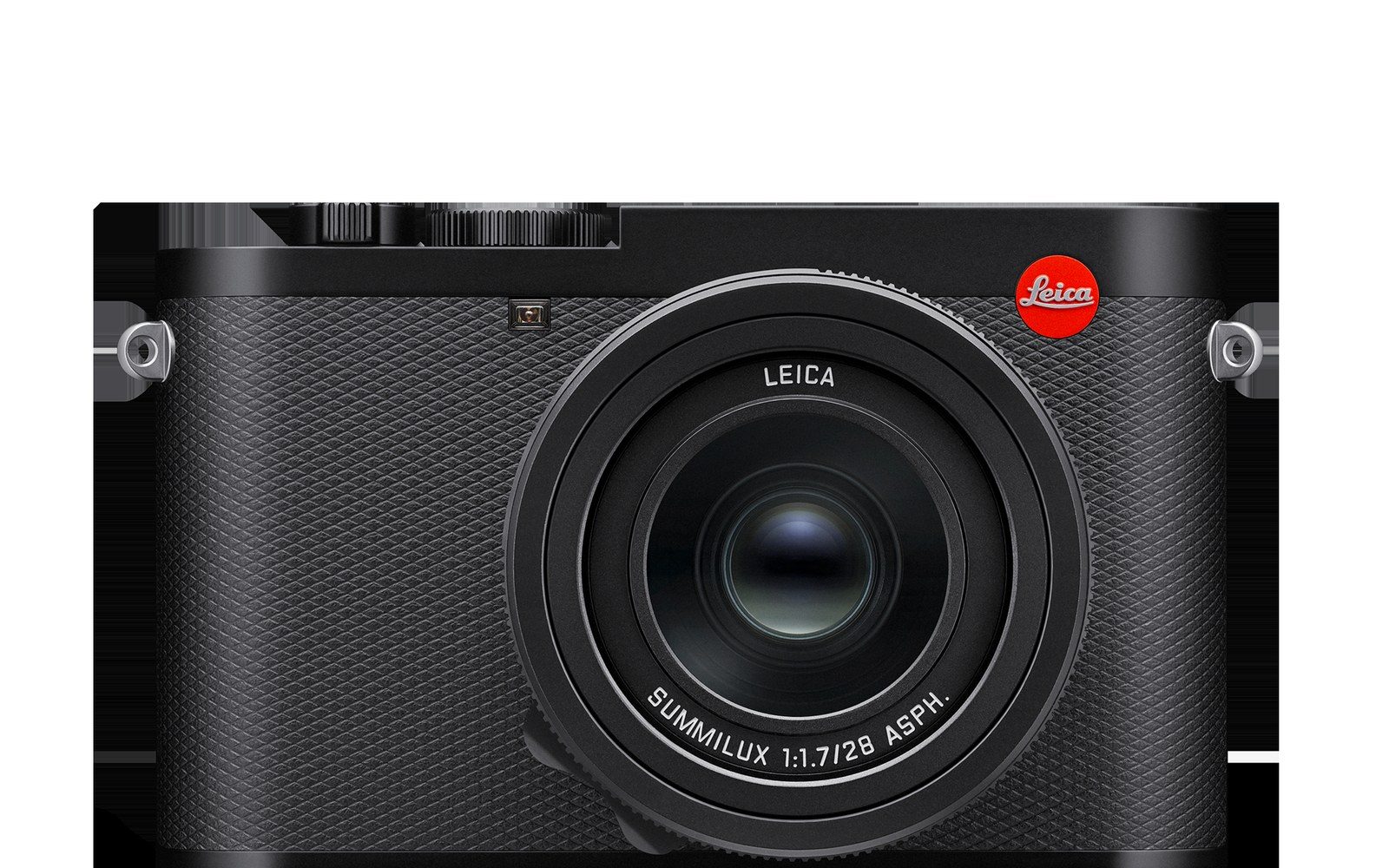
Leica was the first manufacturer to ship hardware that implements the standard at shutter release. The M11-P, announced in October 2023, embeds a Content Credentials signature into every file before writing it to the card. The signature identifies the device, carries the timestamp and GPS coordinates if enabled, and is sealed to the raw file. Nothing in the photographer's downstream workflow is required — the body does the work.
Nikon, Sony, and Canon each committed publicly to the standard in 2023 and 2024. Nikon's implementation, framed around its professional Z-series bodies, pairs with the company's Nikon Authenticity Service. Sony's approach ties into its authenticity architecture developed partly in conjunction with news-agency partners interested in wire-photography verification. Canon indicated support through its own Content Credentials roadmap. Implementation schedules across all three have moved at different rates, and the degree to which any firmware update is retroactive — meaning whether an existing body can receive signing capability — varies by platform and has not always been specified in advance.
What the signed record contains, at minimum: device identity, capture timestamp, and a hash of the image data. Manufacturers may also include GPS data, lens identity, and exposure metadata if the photographer enables those fields. The specification allows selective disclosure — a photojournalist working in a sensitive location can decline GPS logging while still signing the image with device and time.
When Provenance Becomes a Legal Question
The evidentiary value of a Content Credentials chain is not established by case law yet. No landmark ruling has yet turned on a C2PA signature as decisive evidence. But the infrastructure addresses a real and growing problem: the ease with which AI-generated images replicate the visual language of documentary photography makes provenance a first-tier concern for any publication, court, or institution relying on photographic evidence.
The US Copyright Office has addressed the question of AI-generated images and authorship in its guidance on artificial intelligence, making clear that human authorship remains the threshold for protection. In that context, a camera-signed file offers something an AI-generated image cannot: a hardware-attested record of a physical capture event. Whether courts, insurers, or licensing bodies eventually weight that record formally is a policy question still open.
For stock agencies, the chain matters differently. Getty Images and others in the editorial market have expressed interest in Content Credentials as a means of distinguishing camera-captured work from synthetic images, though no agency has yet made verified provenance a mandatory submission criterion. The credentialing infrastructure is present; the market incentive to require it has not fully crystallised.
The practical obstacle remains software support. A signed file is only as useful as the ecosystem's ability to verify it. The Content Authenticity Initiative's public verify tool handles the check for an end-user without dedicated software, but the tool's reach into newsroom and legal workflows is still limited. Camera manufacturers have done their part — signed files now exist. The harder work is building the institutional habit of checking them.