Sigma, Panasonic, and Leica Signed in 2018
Three manufacturers, one mount specification, and a licensing model that Canon's RF strategy explicitly rejected.
The Agreement and What Each Party Brought
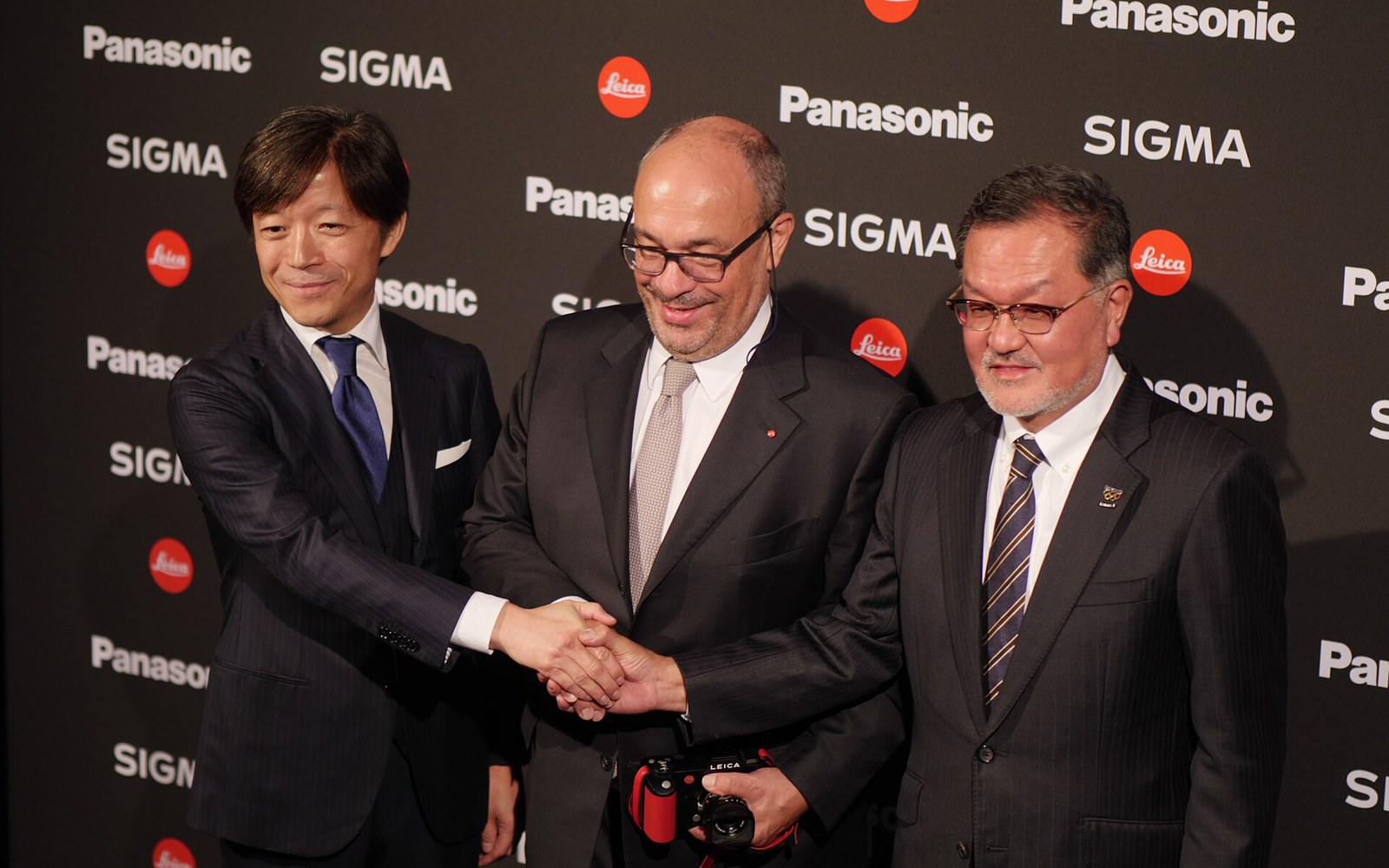
At Photokina 2018 in Cologne, Leica Camera, Panasonic, and Sigma Corporation announced the L-Mount Alliance — a formal agreement to share a single mirrorless lens mount across all three product lines. The mount itself was not new: Leica had already built the SL system around a 51.6 mm diameter bayonet with a short 20 mm flange distance, introduced with the SL in 2015. What changed in 2018 was the commitment to publish a common specification that all three companies, and licensed third parties, could build to.
Each company entered the alliance with a distinct rationale. Leica brought the mount standard and the SL body line built around it — a premium, low-volume system with a small but established lens catalogue. Panasonic brought manufacturing scale and the engineering resources to produce two serious full-frame mirrorless bodies in relatively short order: the S1 and S1R shipped in 2019, followed by the S5 line. Sigma brought the densest lens offering of the three. Kazuto Yamaki, Sigma's chief executive, had spent several years expanding the Art series; the L-mount agreement gave those lenses a native home on two additional body families without requiring separate mount tooling for each.
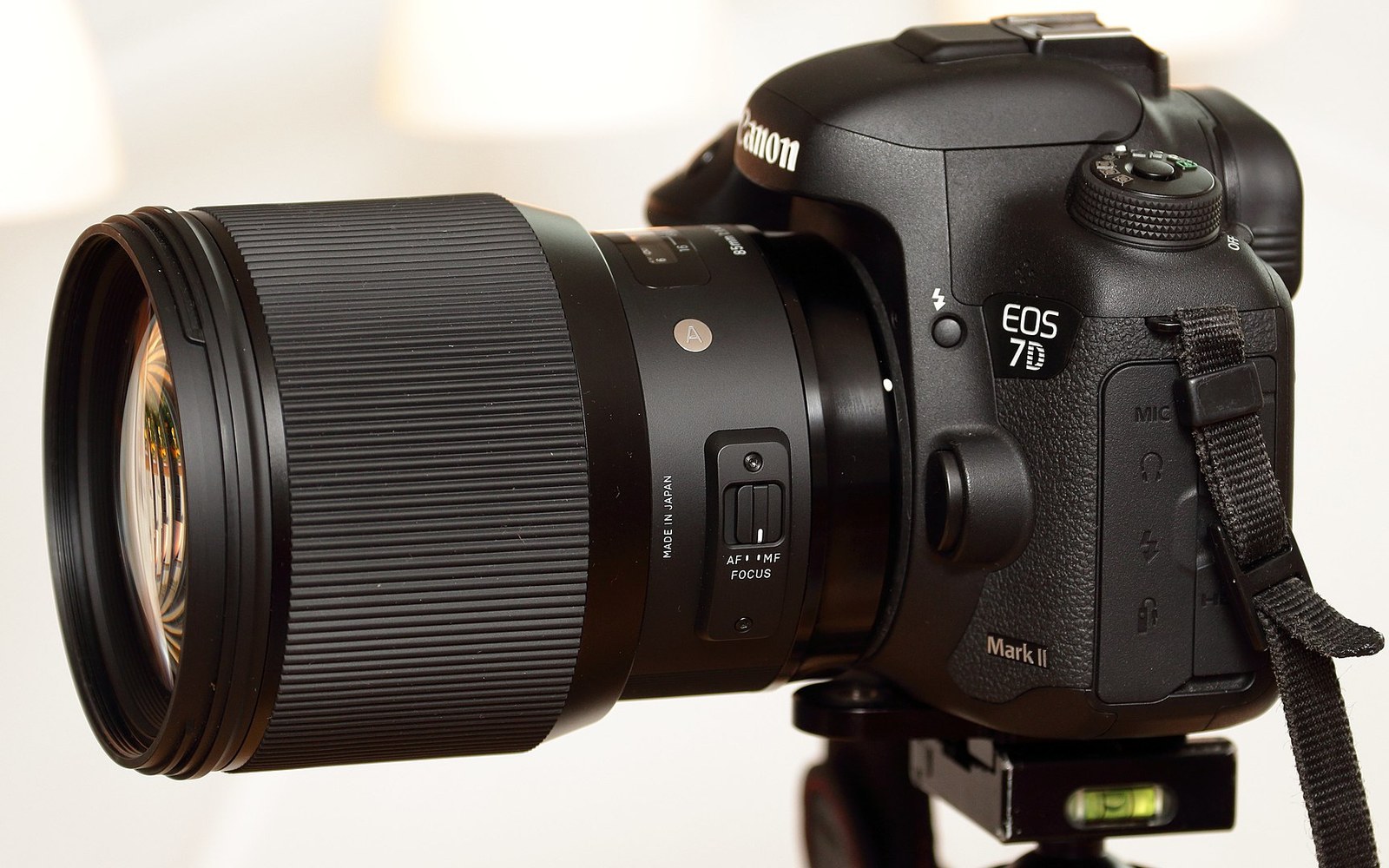
The alliance's formal structure is a licensing arrangement rather than a joint venture. Members pay to access the specification; Leica, as the originating mount holder, retains stewardship of the standard. Third-party manufacturers — Tokina, for example — have since licensed the mount and shipped L-mount glass, which is precisely the outcome the founding agreement was designed to enable.
The Contrast with Canon RF
The contrast with Canon's RF mount, which launched the same year, is structural. Canon kept the RF specification proprietary through most of its early life, blocking third-party manufacturers from native mount access — a position it has since partially modified. The L-Mount Alliance chose the opposite model from the outset: publish the standard, licence it broadly, and grow the glass catalogue faster than any single manufacturer could alone.
Whether the open model produces a better outcome for buyers depends on what a buyer is buying. Leica's own SL bodies remain premium-priced regardless of what Sigma or Panasonic do with the same mount. But for the system as a whole, the combined L-mount lens catalogue by 2025 is larger than any one of the three companies could have assembled independently — which was, in 2018, the stated point.
Key specification
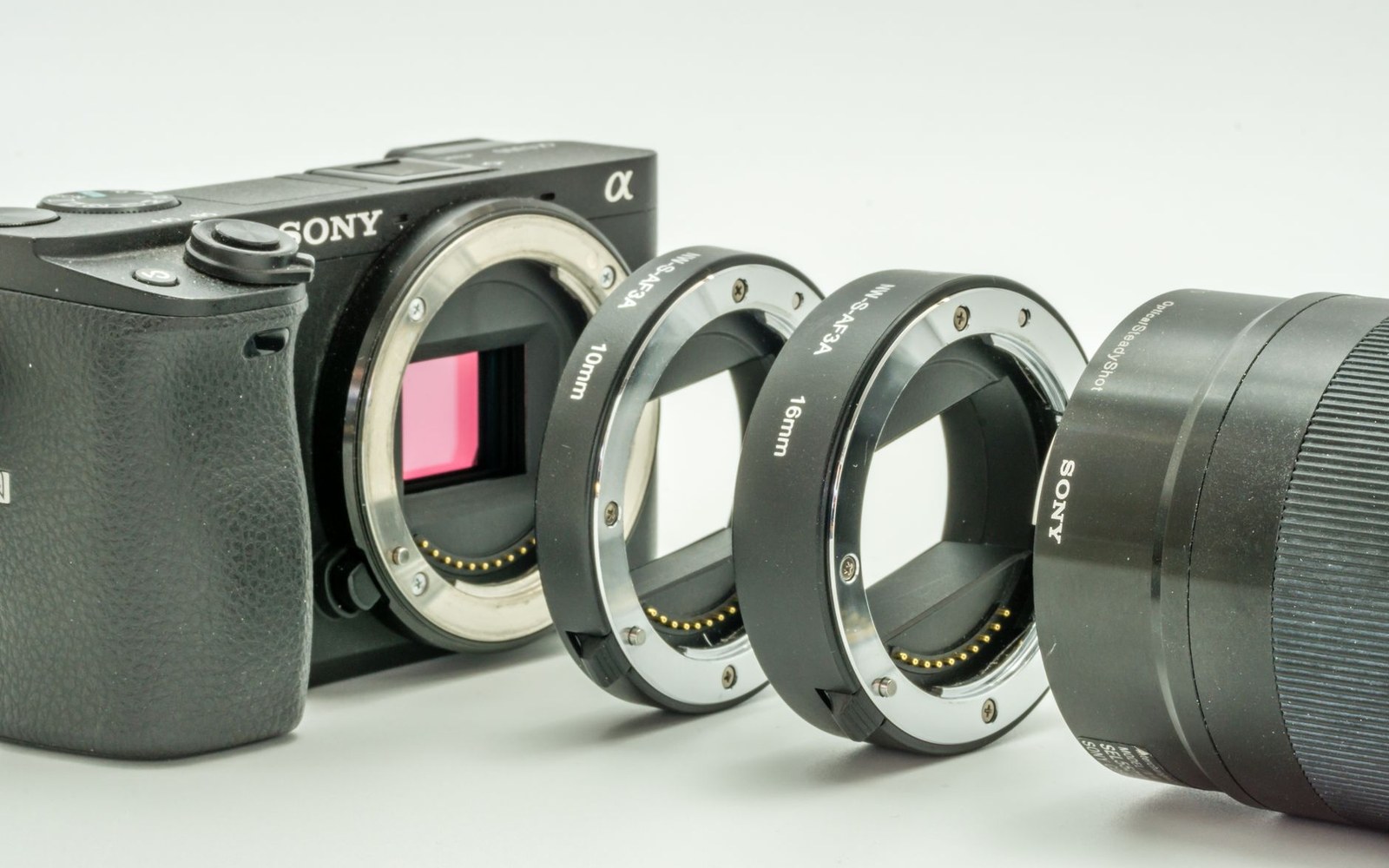
| Mount diameter | 51.6 mm |
| Flange distance | 20 mm |
| Agreement announced | Photokina, Cologne, September 2018 |