The Ricoh GR IIIx and the Case for 40mm
Ricoh's GR III and GR IIIx as the pocket-camera alternative that predates the X100VI wave, covering the 28mm-versus-40mm lens choice between the two bodies and the GR line's design philosophy as Ricoh has stated it.
A pocket camera with a considered disagreement built in
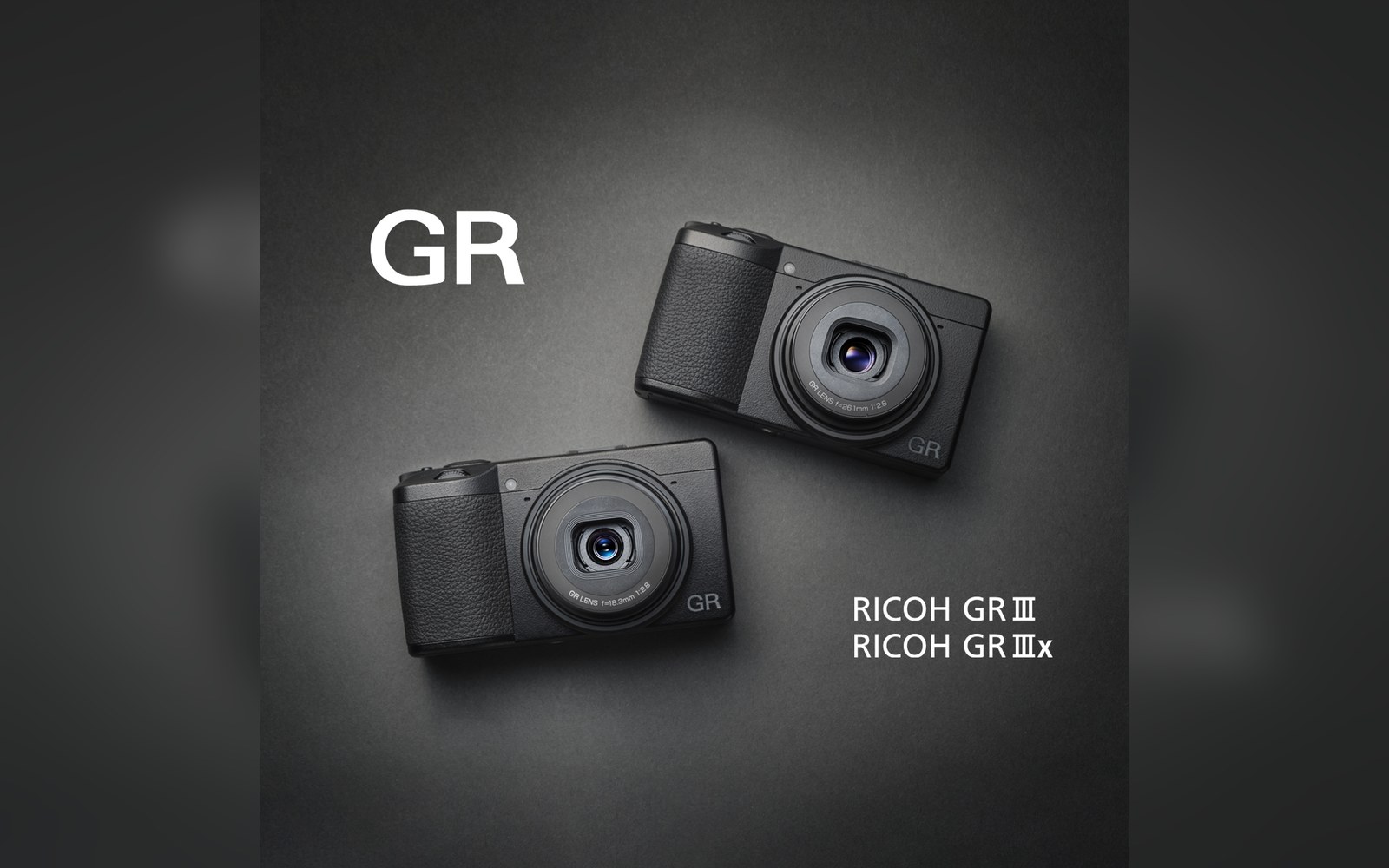
The Ricoh GR III and GR IIIx are the same body with one meaningful difference: the GR III carries a 28mm-equivalent f/2.8 lens; the GR IIIx steps to 40mm equivalent at f/2.8. That single choice splits a devoted user base more sharply than sensor resolution or autofocus performance ever could.
Both bodies sit on an APS-C sensor — 24.2 megapixels, BSI CMOS, with in-body image stabilisation — inside a chassis narrow enough to disappear into a jacket pocket. Ricoh has never attempted to compete on specification sheets. The GR line's design logic, as Ricoh Imaging has described it, is reduction: a fixed lens eliminates the zoom compromise; a small body changes how the camera is carried and therefore what gets photographed.

The 28mm focal length has defined the GR lineage since the original film-era body in 1996. It is the street photographer's canonical wide, close enough to place the subject in context, wide enough to work without raised arms. The GR IIIx's 40mm is a quieter argument: slightly longer reach, a touch more subject separation, and a field of view that several photographers associate with natural perspective. Neither focal length is wrong. They serve different instincts.
What unites both bodies is snap focus — a pre-set hyperfocal mode that bypasses autofocus entirely and locks the lens at a fixed distance. At typical street distances in adequate light, depth of field at f/5.6 or f/8 covers the frame without the camera hunting. The result is a shutter response that feels mechanical rather than computational.
The GR IIIx launched in October 2021, roughly two and a half years before the Fujifilm X100VI generated its backlog. It found its audience without a waitlist or a viral moment. That the conversation around pocket APS-C cameras later became loud enough to strand supply chains at Fujifilm says less about the GR line than about how long it took everyone else to notice what Ricoh had already settled.